
One of the first decisions in any solar project — and one of the most common questions we get from students and customers alike — is which type of system to install: on-grid, off-grid, or hybrid. Each works differently, costs differently, and suits a different kind of user. Here's a clear breakdown.
On-Grid (Grid-Tied) Solar Systems
An on-grid system is directly connected to the utility grid through a net meter, with no battery storage. During the day, solar power is used first; any surplus is exported to the grid and credited to your account. At night or on cloudy days, you draw power back from the grid.
- Pros: Lowest cost per kW (no batteries), eligible for PM Surya Ghar subsidy, simple maintenance, high efficiency since no energy is lost to battery charging/discharging.
- Cons: No backup during a power outage — the inverter shuts down automatically for grid-safety reasons even if the sun is shining.
- Best for: Homes and businesses in areas with reliable grid supply, primarily looking to cut electricity bills.
Off-Grid Solar Systems
An off-grid system operates completely independently of the utility grid, storing energy in batteries for use whenever needed — day or night, with or without grid connection at all.
- Pros: Full power independence, works in areas with no or unreliable grid access, no dependency on DISCOM approvals.
- Cons: Significantly higher cost due to battery banks, batteries need periodic replacement (typically every 5–10 years depending on type), system must be sized carefully to actual load since there's no grid to fall back on.
- Best for: Remote locations without grid access, farms, cabins, or critical off-grid loads like telecom towers and irrigation pumps.
Hybrid Solar Systems
Hybrid systems combine the best of both — grid-tied with battery backup. Power is drawn from solar first, batteries next, and the grid last (or in whatever priority order is configured), giving you savings during the day and backup power during outages.
- Pros: Backup power during outages, still exports surplus to the grid, batteries only sized for essential backup loads (cheaper than full off-grid).
- Cons: Higher upfront cost than pure on-grid, more complex system design and configuration.
- Best for: Areas with frequent power cuts, homes/businesses that want bill savings and backup for essentials like lights, fans, and Wi-Fi.
Side-by-Side Comparison
| Factor | On-Grid | Off-Grid | Hybrid |
|---|---|---|---|
| Battery required | No | Yes | Yes |
| Works during power cut | No | Yes | Yes |
| Govt. subsidy eligible | Yes | Usually no | Partial, case-by-case |
| Relative cost | Lowest | Highest | Medium-High |
| Maintenance | Low | Medium-High | Medium |
How to Decide
Ask yourself three questions: Do you have reliable grid access? Do you need backup during outages? What's your budget? If your grid is reliable and your main goal is cutting bills, on-grid with the PM Surya Ghar subsidy is almost always the smartest choice. If outages are frequent, hybrid offers the best balance of savings and reliability. Off-grid makes sense only when there's genuinely no grid to connect to.
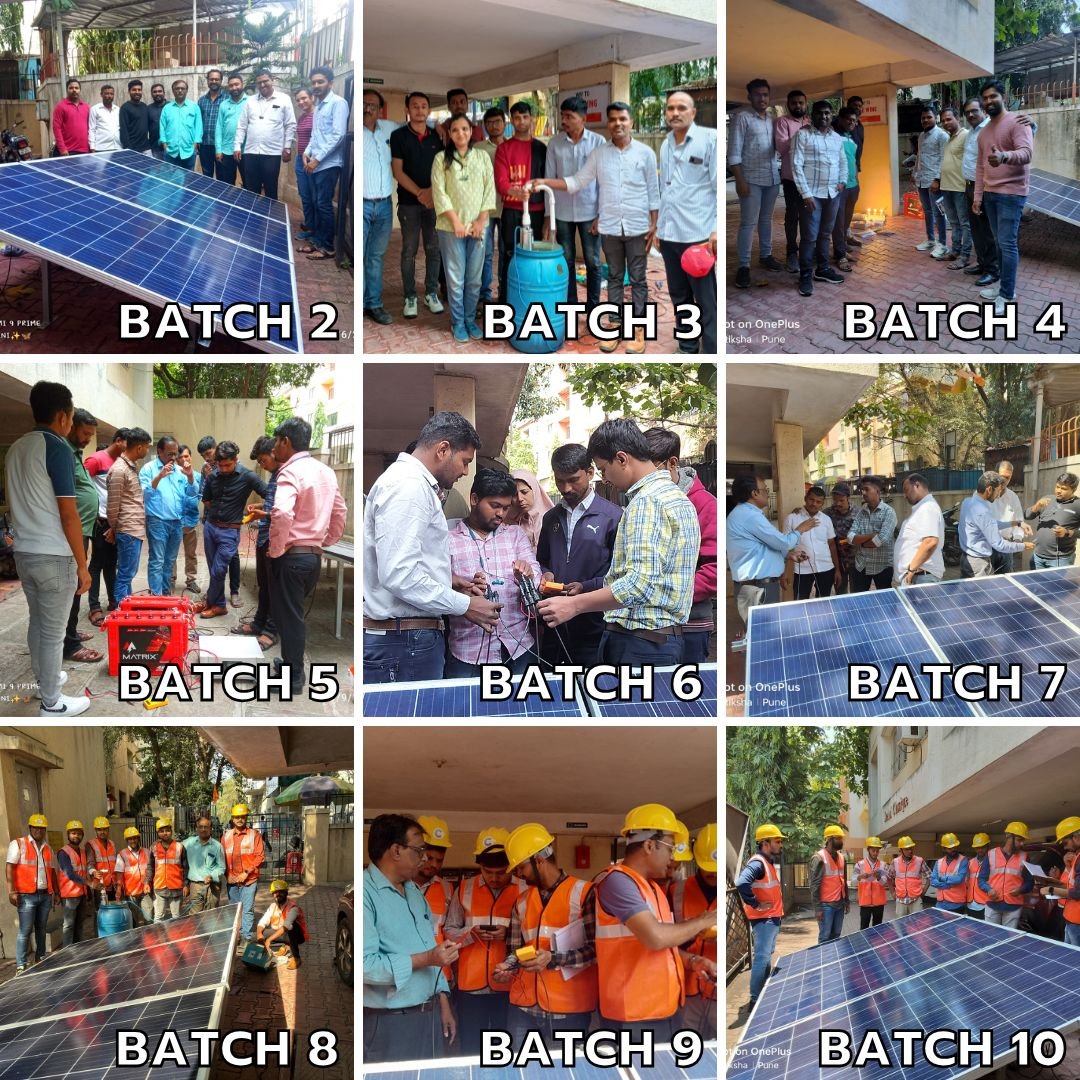
Understanding system selection is one of the very first modules in our solar training program — it's the foundation every good design and every profitable installation business is built on.
Turn This Knowledge Into a Career or Business
Sunbliss Solar's hands-on training covers everything in this guide and more — installation, design, subsidy paperwork & business setup — with a govt-recognized certificate.
Book a Free Demo